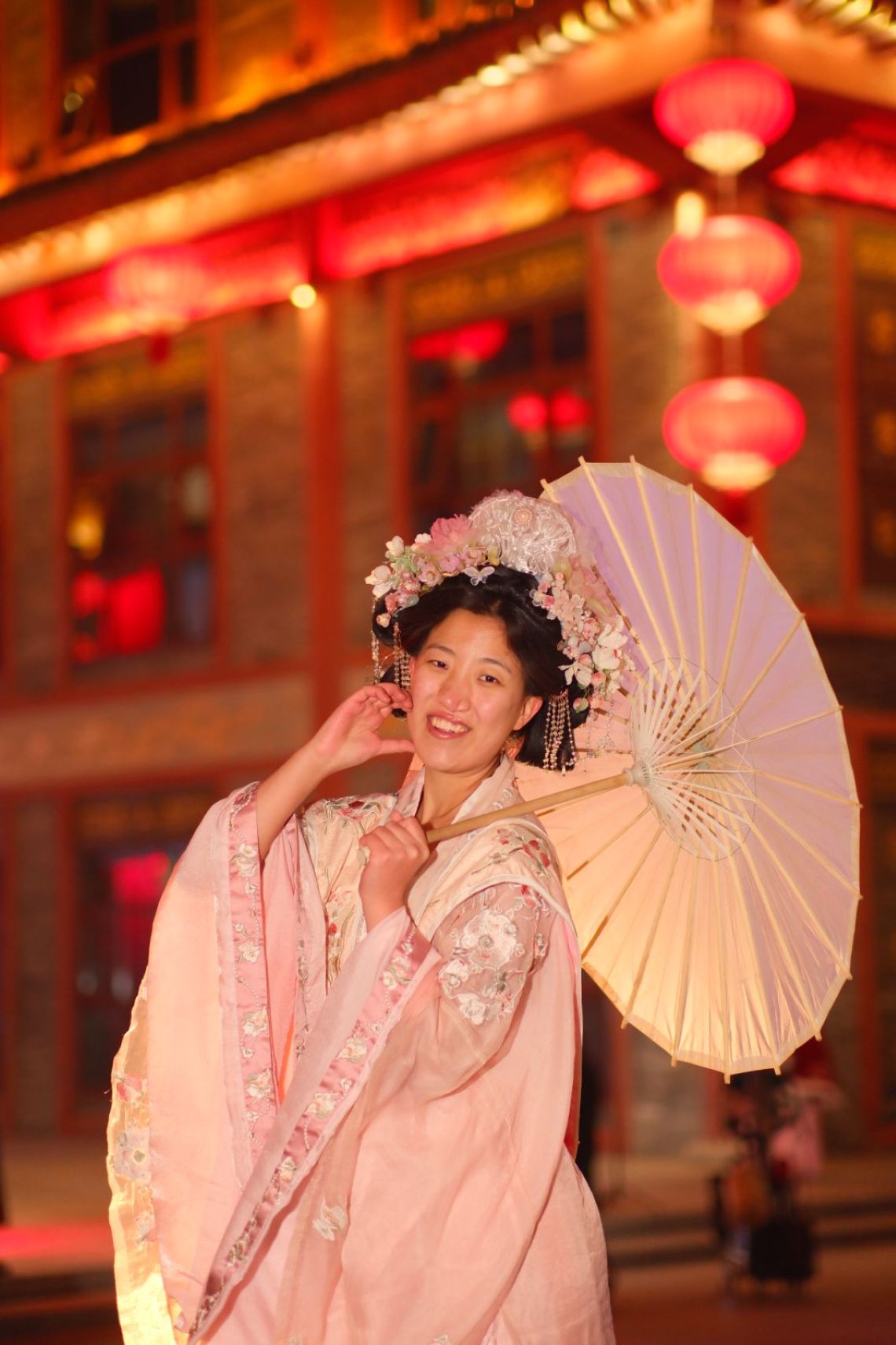
How studying abroad has developed my connection to my heritage
If you asked me what my biggest regret in life was about a year and a half ago, I probably would've stared at you with a deep sadness in my eyes as I recounted every single decision that I had ever made. After a good while though, I would have said "quitting learning Mandarin Chinese."
Being adopted from China, my mother enrolled my siblings and me in Chinese language classes when I was in early grade school. However, as a child, I only saw my ethnicity as something that other kids taunted me for, so I rejected it and begged to quit Chinese classes.
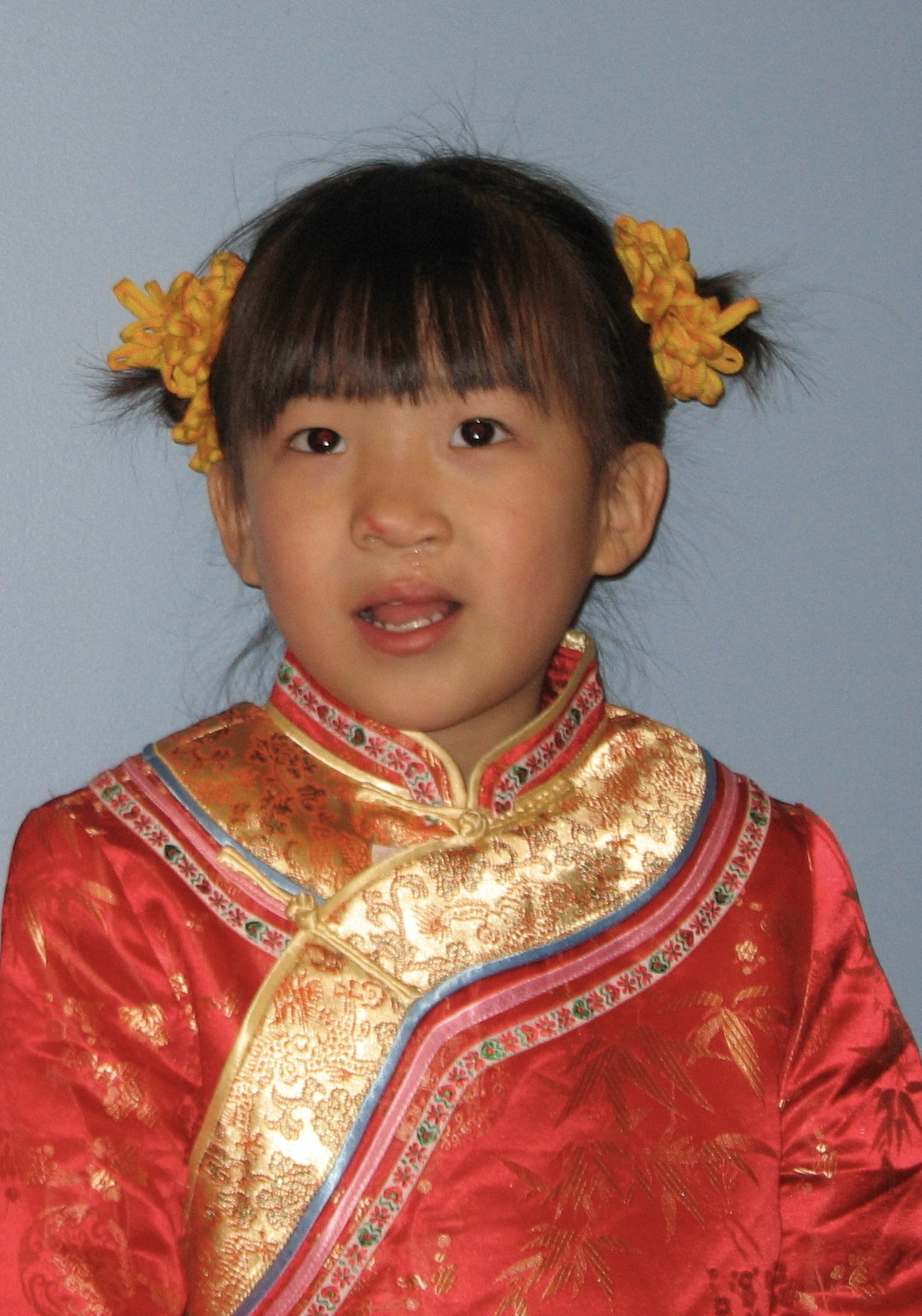
Growing up in a predominantly white area in rural Kansas, I constantly struggled to grasp and develop a relationship to my heritage. It was an undeniable part of myself, yet the only things I knew about my culture were what I read through books or on the internet. Gaining most of my knowledge through secondhand sources engendered a feeling of my own identity being fabricated, thus being invalid. What I understood about my identity was a patchwork of general concepts I was not even sure I believed in, as I knew them as pixels on a screen or words on a page. My idea of what culture should be was narrow and constrained by my faulty research abilities. I viewed my heritage as a singular goal to achieve– that at one point I would finally feel “Chinese”.
In college, I was able to befriend many Chinese nationals and other Chinese Americans. While I was able to learn more about Chinese cultures through my conversations, my feelings of my identity being fabricated intensified as I realized my previous scraps of knowledge were noncomprehensive. The very crux of what I believed to be my culture was fraying at its thin threads. I began to realize Chinese culture, and culture, in general, is not monolithic, thus enlightening the importance of my own individualized cultural identity.
With the crushing realization that I truly knew nothing about my heritage, I began to explore avenues to create a connection. When I was presented with the opportunity to study Chinese in the third year of college, I enrolled as soon as possible.
Language Learning and Preparing to Study Abroad
I loved my Chinese class, and I loved the language. I felt as though I was rectifying my regret of quitting Chinese as a child. However, as I started Chinese my third year of college, the highest level I was going to complete before graduation was intermediate. As I fell more in love with the language, and the cultural understandings that came along with it, I yearned to continue learning. Thus, I started to look for opportunities to reach a higher level of Chinese.
My university offered a summer program to study Mandarin Chinese in Kaohsiung, Taiwan. I had heard of classmates who went abroad to Taiwan and returned with wide smiles on their faces and stories of escapades in places I had only been acquainted with on maps.
However, affording to go to college was an accomplishment in itself, so I never had lofty and expensive dreams of studying abroad. That was until my scholarships and fellowships advisor informed me about options I had for affording to study abroad: the Gilman Scholarship and the Critical Language Scholarship. Thus, early into my junior year, I applied to the Critical Language Scholarship and began looking into my university’s study abroad program in Kaohsiung. At the time, I was only one month into learning Chinese, so I was hesitant to apply to a program across the world, completely in a language I barely knew how to say “hello” in.
The spring of my junior year was an exciting one as I received the Critical Language Scholarship and the Gilman Scholarship. I took the opportunity to do the Critical Language Scholarship over KU’s program, and was told I could defer the Gilman Scholarship to a potential other study abroad opportunity.
Study Abroad
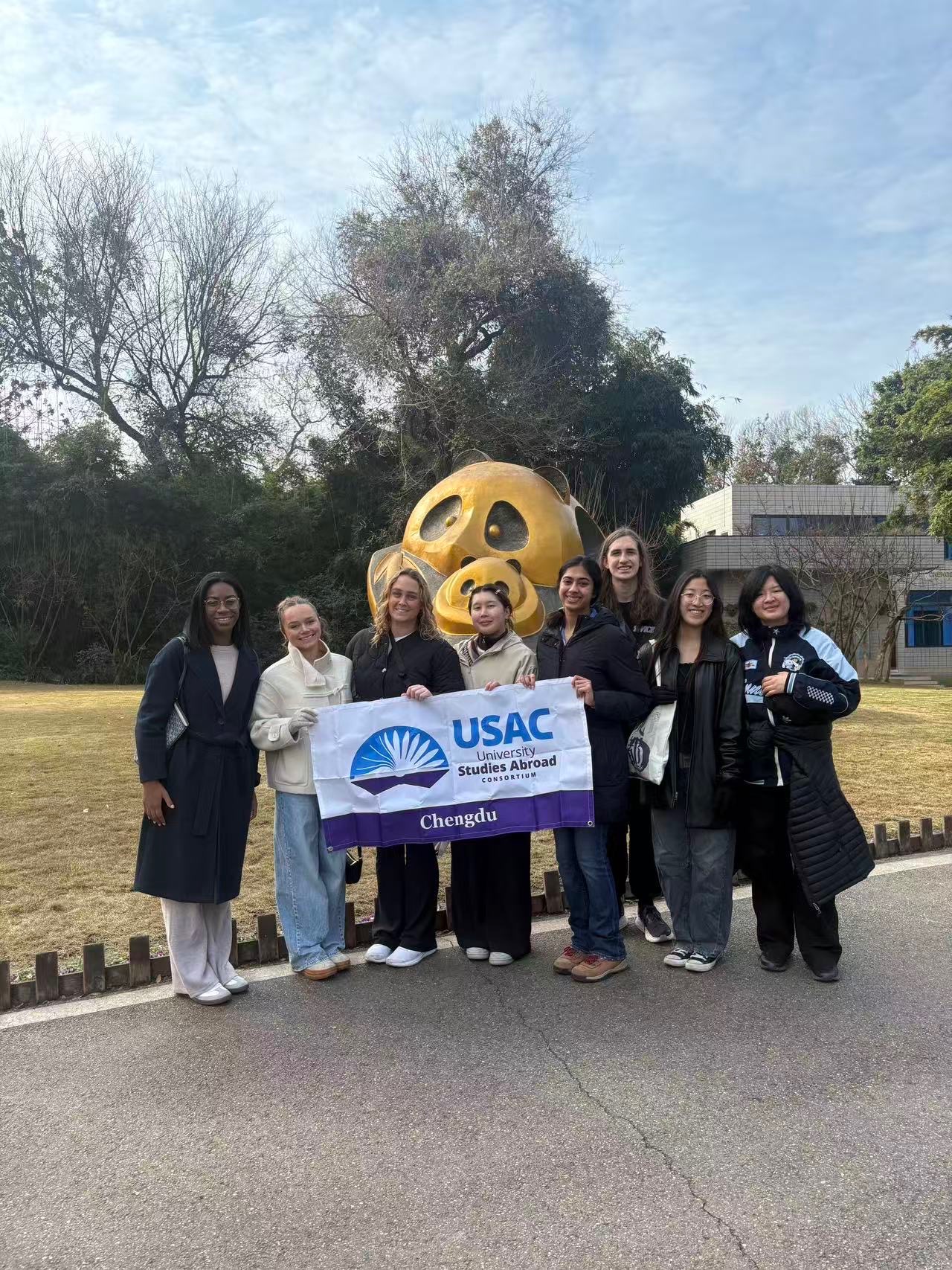
Through the various scholarships, I was able to study abroad, first, in New Taipei City, Taiwan, the summer before my senior year, through the Critical Language Scholarship. Then, during winter break, through USAC’s January in Chengdu, China, using the Gilman Scholarship.
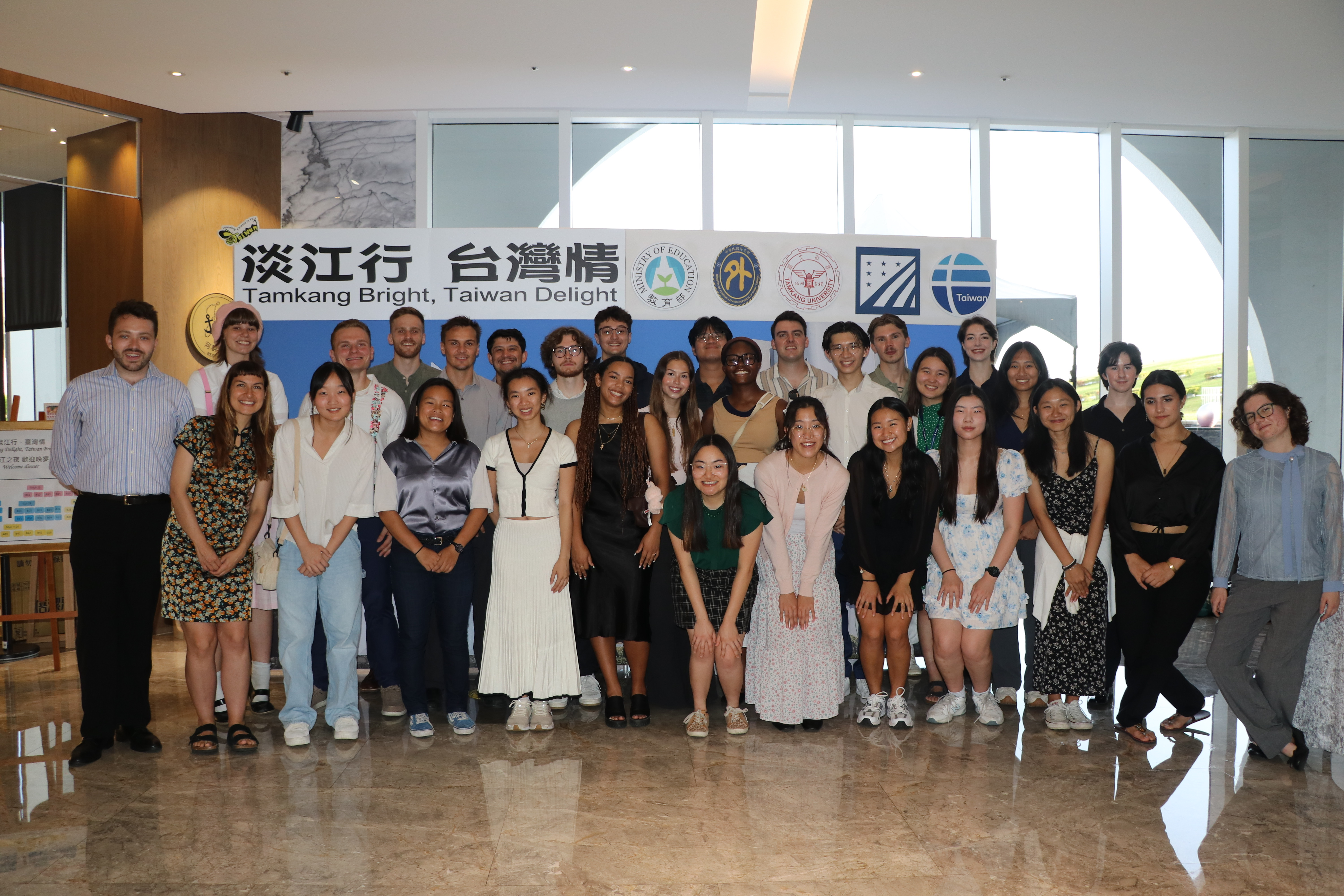
Arriving in Taiwan, I had been studying Mandarin Chinese for less than a year. Admittedly, I was terrified. At the beginning of my program, locals would speak to me in Chinese, and I would stare blankly at them, barely understanding what they were saying. During this program, I felt like a fraud. I was in a place for once where everyone looked like me, yet I couldn’t communicate with them. I was surrounded by what was supposedly my culture, yet I did not recognize any of it.
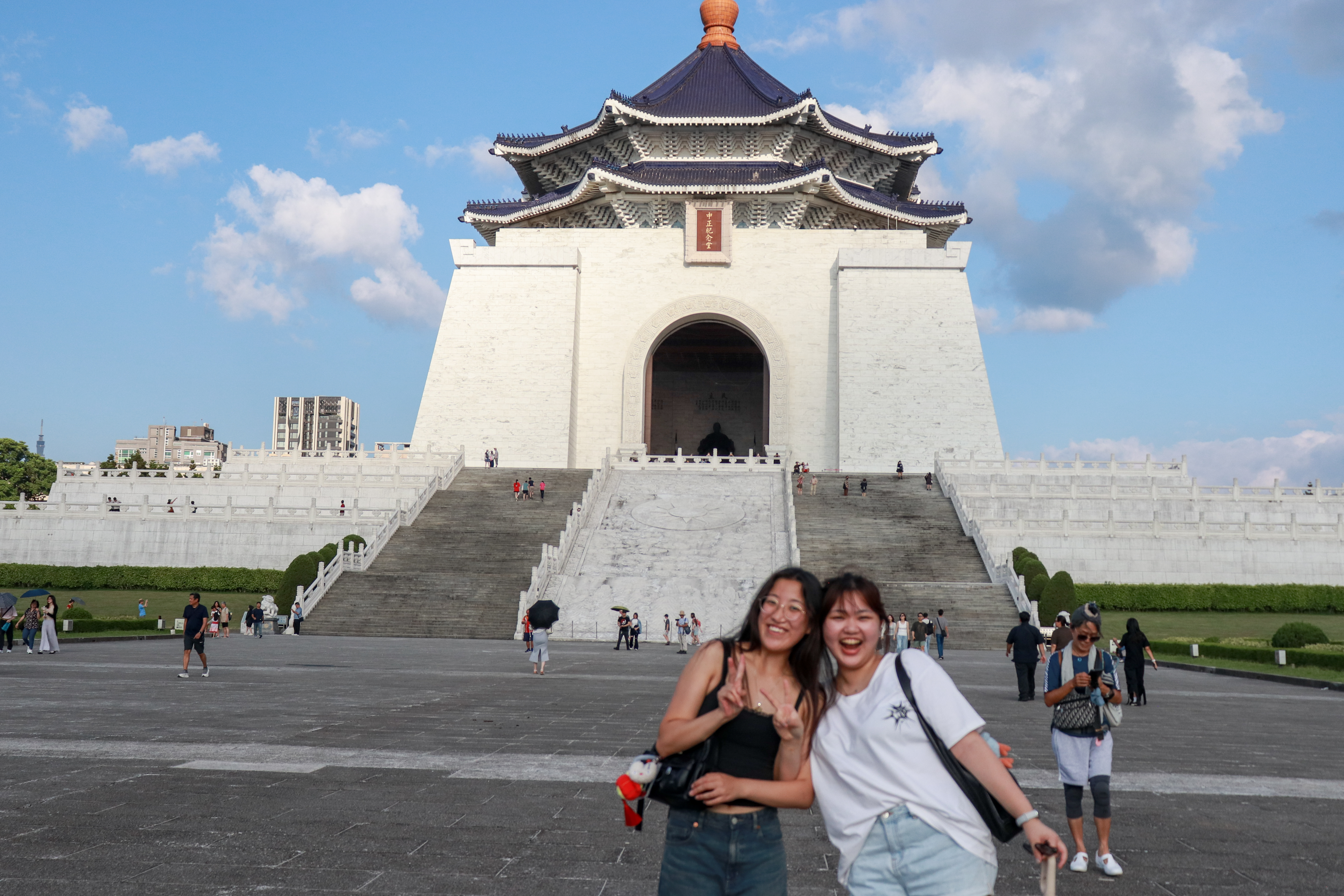
In the beginning, I felt an incredible sense of imposter syndrome. My cohortmates were all leaps and bounds more accomplished than me, and the adjustment to studying abroad for the first time was quite challenging. However, the longer I was in Taiwan, the more acquainted I became with the language and culture, and the more I wanted to learn.

Going back to China was a surreal, yet enlightening, experience. I wanted to use the program as a period of self-reflection and discovery. I often would take walks and go to parks to people-watch, as culture is created by those who compose it. However, I also engaged in conversations with locals about Chinese culture, customs, and modern daily life. I visited many museums, temples, and cultural sites. On this trip, I also got to visit my birthplace of Xi’an for the first time since I was seven years old. Xi’an is a city dripping with rich history, and experiencing it as an adult was truly incredible.
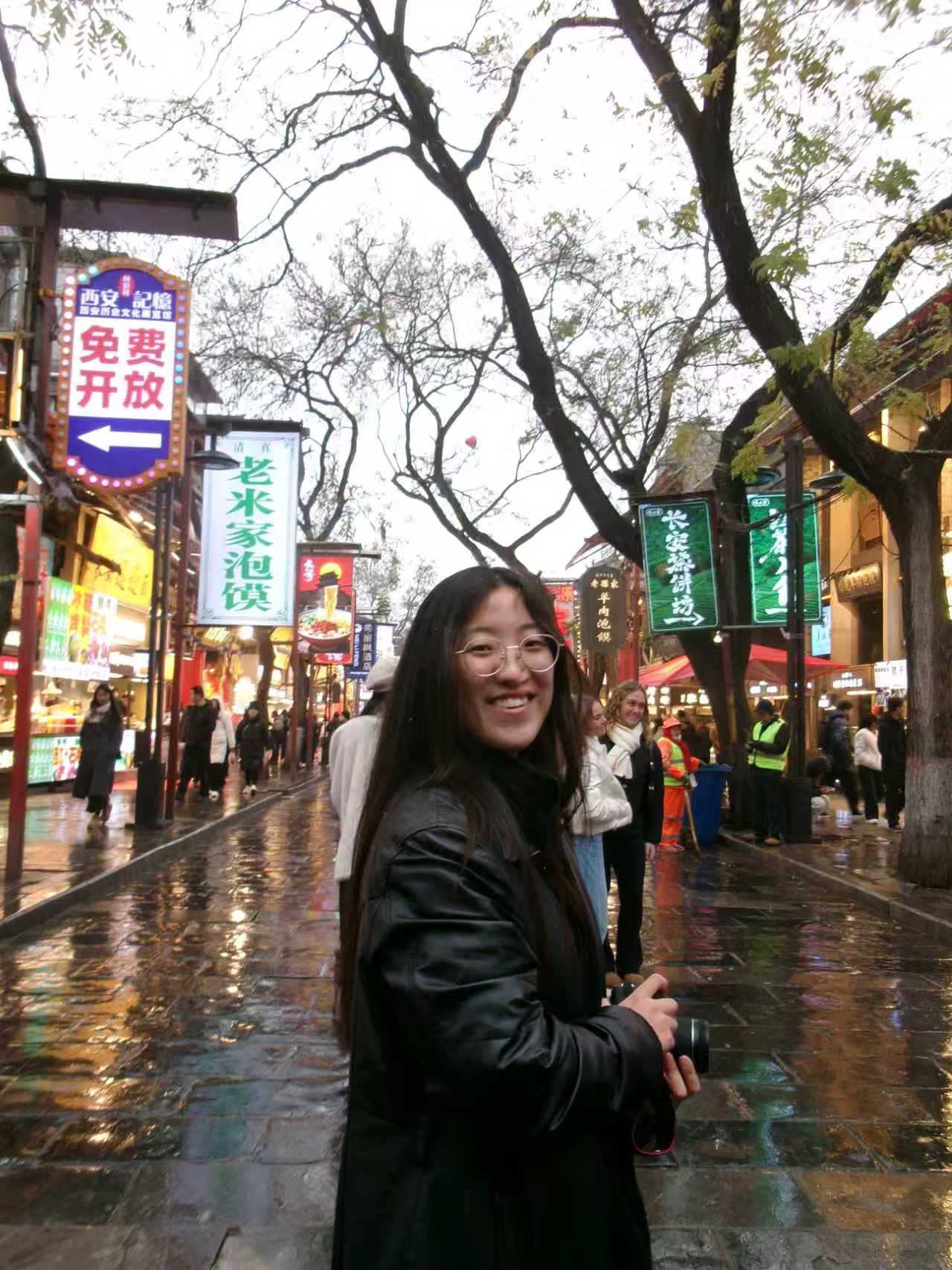
Returning to China, I was a bit apprehensive about how I would be viewed as an adoptee, but every person warmly welcomed me, often saying, “Welcome home.” In fact, people were often shocked when I told them I was American, as they assumed I was a Chinese citizen, which oddly validated me. Being able to talk to a taxi driver, teachers, and locals I just met, as if they were old friends, showcases how friendly Chinese people are. However, each person I met, in Taiwan and China, was unique and had their own stories and way of expressing their identity. It made me further reflect on the monolith I once believed Chinese culture was.

Reflections
Being able to experience the local culture in Taiwan and China firsthand made me realize there is never a way to “achieve” culture or heritage. Through my interactions with locals, I got a glimpse into how culture and heritage are flexible and multitudinous concepts that are strung together by individuals’ interpretations of common practices and beliefs, creating a unique cultural identity.
My entire life, I have been chasing this fabricated ideal of a certain point of feeling divinely connected to my heritage, which, in turn, would render my years of being lost worth it. I may never be “Chinese” enough, but I now do not think that is something that can be achieved. The way I view my own identity is shaped by my own experiences and will not mirror or conform to that of others.
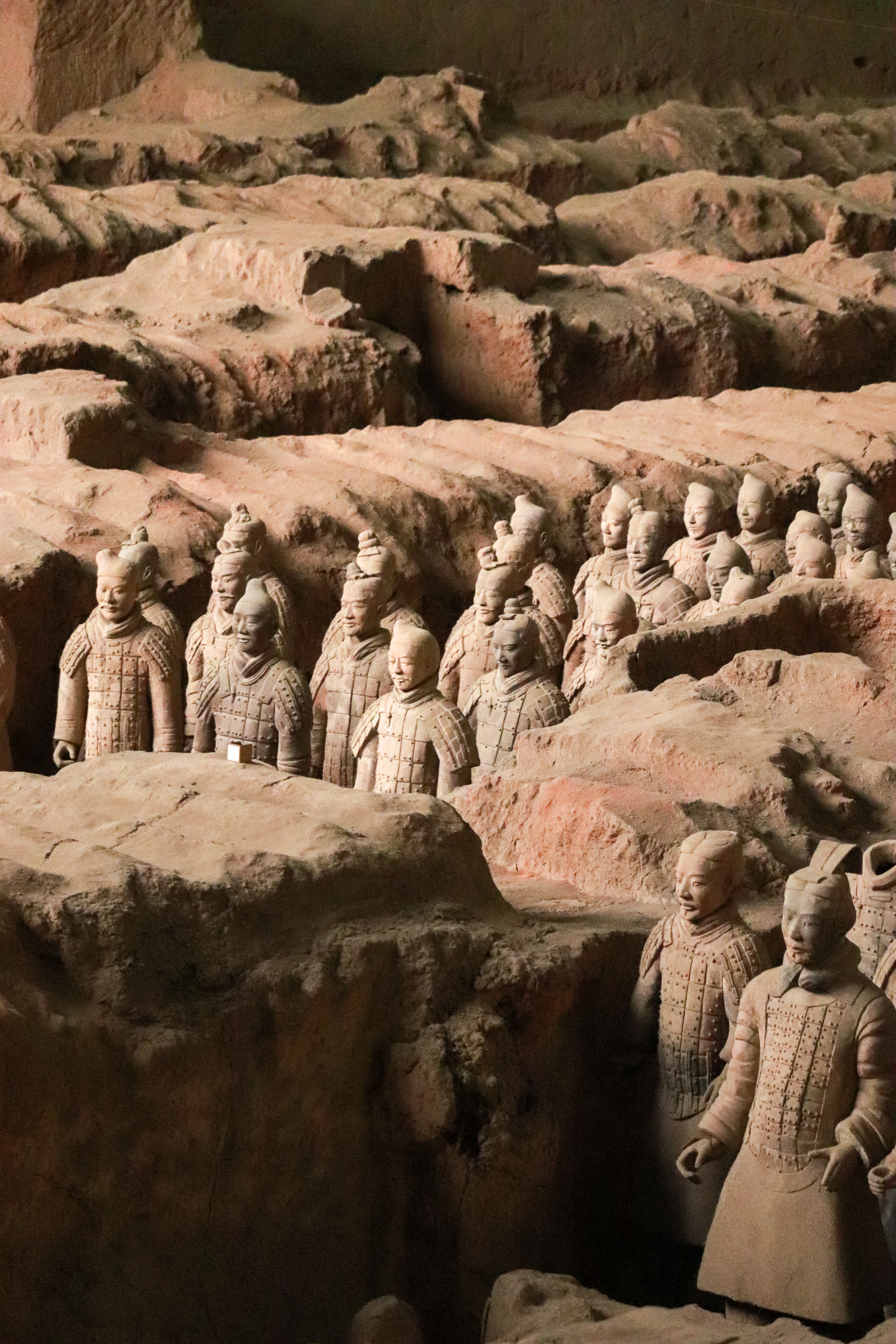
Studying abroad solidified this for me, as I saw people express culture diversely, as shaped by their own connections and interpretations. Each person had a different idea of what it meant to be ethnically Chinese. To say I gained an idea of Chinese culture as a whole would be incorrect. I experienced individuals’ understanding of culture through the sharing of habits, stories, language, and history.
The journey to self-realization and identification is never-ending. However, through studying abroad, I was able to alleviate some of the pressure to achieve a cultural ideal that being adopted created for me. It has also provided me perspective on how to use my background to create a unique identity for myself, without having to strive for an imagined, monolithic cultural standard.
-安露露